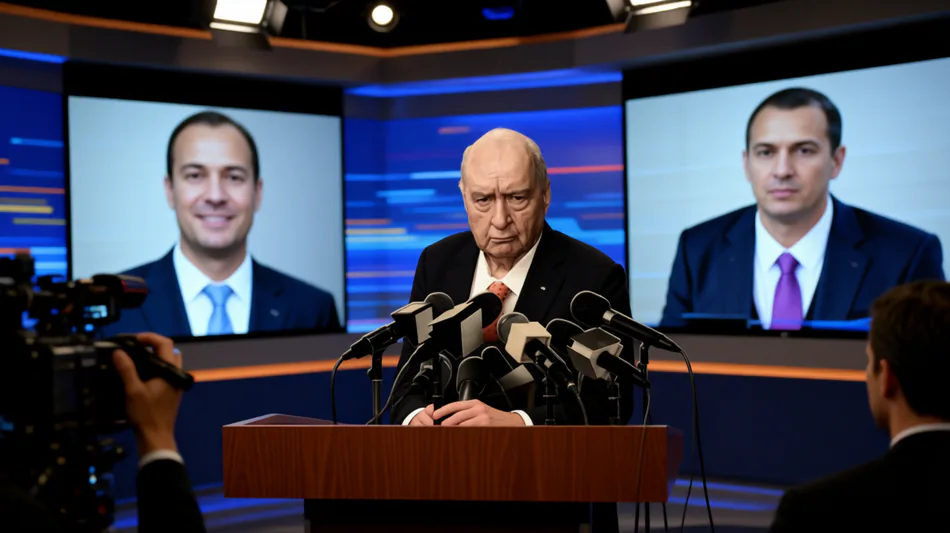
Kate McClymont Testifies at Alan Jones Trial Over Reporting Methods
Investigative journalist Kate McClymont took the stand in the thirteenth week of the trial against former radio personality Alan Jones, facing rigorous cross-examination over her reporting methodology. Her testimony focused on text message exchanges with police and the verification process that led to the legal proceedings.
Investigative journalist Kate McClymont testified in court during the thirteenth week of the trial against former radio personality Alan Jones, facing intense scrutiny over her reporting methods and interactions with law enforcement. Her appearance before the jury drew a packed gallery as she detailed the process that initiated the legal proceedings.
McClymont was subjected to rigorous cross-examination regarding the timeline and methodology behind her investigation. The questioning focused on interview recordings, specific phrases used in headlines, and text message exchanges between the reporter and police investigators. These communications were examined to determine the nature of her interactions with law enforcement and how the allegations against Jones were developed.
The testimony addressed foundational elements of the case, including references to texts containing a "nail in the coffin" comment and a poo emoji, which became focal points during questioning. The cross-examination sought to establish how McClymont verified information and managed her relationship with police sources while constructing the narrative that led to the trial.
Media correspondent Amanda Meade analyzed McClymont’s evidence for the Full Story podcast, focusing on how the journalist navigated the complex process of breaking the story. The appearance of the journalist who originally broke the highlights the critical role of investigative journalism in high-profile legal cases. As McClymont detailed her process, the proceedings underscored the intense scrutiny faced by media professionals when their reporting becomes the subject of litigation.
S.Rovigatti--IM