Bolivia government says deal reached with protesting miners / Photo: AIZAR RALDES - AFP
The Bolivian government said Friday it had struck a deal with thousands of protesting miners who had clashed with police the previous day in La Paz.
Since early May, protests against the policies of center-right President Rodrigo Paz have convulsed the Andean nation.
A demonstration of miners on Thursday demanded the resignation of the center-right leader, arguing that he has not addressed their demands, which include the provision of fuel and work equipment.
Police used tear gas to block protesters from entering the capital's main square, where government buildings are located, while miners hurled stones and explosives with slingshots, an AFP reporter observed.
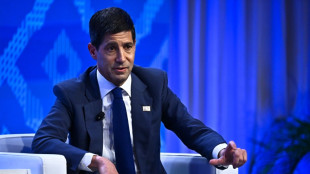
Early Friday morning, the government reached a deal with the protesters following "almost 12 hours of talks," Economy Minister Jose Gabriel Espinoza told reporters.
He said the negotiated agreement would be announced in due course, without providing further details.
President Paz won elections last year that marked a shift to the right after two decades of socialist rule.
He promised to end Bolivia's worst economic crisis in four decades, marked by an acute shortage of foreign currency and fuel.
Paz scrapped the two-decade-old fuel subsidies that had drained the Treasury's international dollar reserves, but so far has failed to stabilize fuel supplies.
Now he is under pressure from all sides.
Schoolteachers, transportation workers, Indigenous people and other Bolivians have taken to the streets, calling for wage increases, economic stability and an end to the privatization of state-owned companies.
The country's largest trade union, the Bolivian Workers' Center (COB), on Thursday called for the president to resign.
The state's road authority on Friday warned that roadblocks on routes leading into La Paz were preventing food supplies from entering the capital.
Prices of food products including meat, chicken and some vegetables skyrocketed in some supermarkets this past week, after year-on-year inflation hit 14 percent in April.
L.Sabbadin--IM