Israeli Bedouin say hope for better life crushed after deadly crackdown / Photo: ILIA YEFIMOVICH - AFP
When the Israeli Bedouin village of Tarabin al-Sana backed Prime Minister Benjamin Netanyahu's party in the last elections, they expected their lives would improve.
Three years later, the small community in the Negev has been left stunned after a two-week crackdown during which police shot dead a 36-year-old father of six.
Israeli police set up roadblocks, fired tear gas and searched homes in scenes reminiscent of military raids on Palestinian towns in the occupied West Bank.
Tarabin's residents, however, are Israeli citizens.
At the last national elections in 2022, some 60 percent of the village's voters cast their ballots for Netanyahu's right-wing Likud party.
"What happened in Tarabin in the last two weeks has never happened before," tribal representative and local council member Abed Tarabin told AFP.
"We are citizens of the state; we didn't do anything to warrant the move they made," he added, accusing the police of having "punished the entire village".
The crackdown began on December 27 when police made arrests in the village over what they said were violent incidents and stolen weapons.
After accusing residents of retaliatory acts of vehicle arson in a nearby Jewish community, officers encircled Tarabin.
Residents say forces withdrew on January 11, but that police were still present.
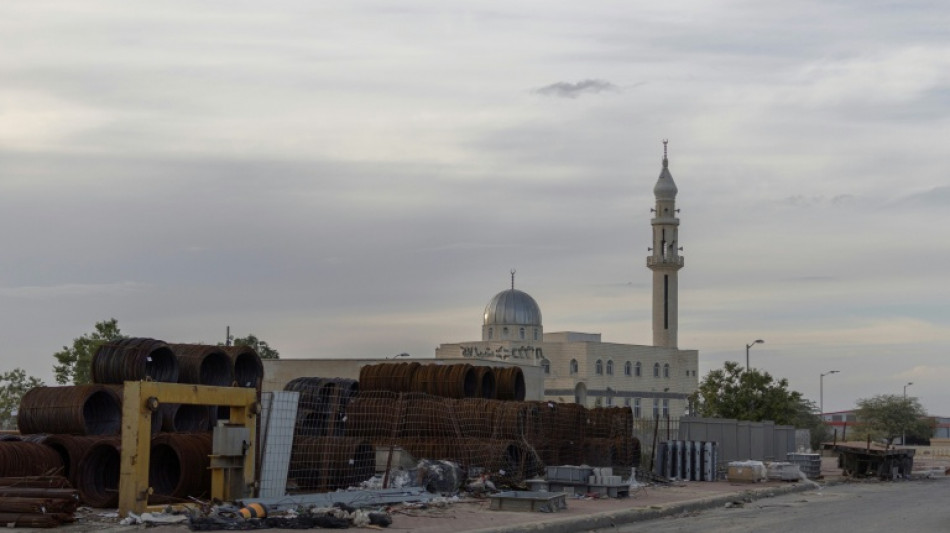
Two young children wandered aimlessly past a pile of twisted charred metal, crushed breeze blocks and a burnt-out car next to the dilapidated village school.
"The children here are traumatised," said resident Mundher Tarabin, 36, adding that some were so badly affected they still hadn't gone back to school days later.
- 'People supported him' -
Israel's impoverished and long-marginalised Bedouin are descendants of shepherds who once roamed freely far beyond the country's current borders.
Today there are about 300,000 Bedouin living in Israel, and like its other Arab minorities, they often complain of discrimination.
Campaigning in 2021, Netanyahu visited Tarabin and drank coffee with local leaders to woo Arab voters.
Behind a camel pen on the edge of the village, Mundher Tarabin showed where Netanyahu had made a speech.
"He said he'd make the Negev a better place," Tarabin said.
"And people supported him."
Tarabin said he had himself voted for Netanyahu's Likud, but would not do so again in elections this year.
Faced with poor infrastructure and opportunities, Bedouin grapple with high levels of crime within their communities.
Police said the Tarabin raid was part of a wider operation called "New Order" aimed at "removing illegal weapons from criminal circulation, disrupting criminal activity and enforcing the law".
"Dozens of suspects were arrested or fined for a range of offences, including illegal weapons possession, drug offences, outstanding warrants and traffic-related violations," they said.
Visiting the Negev on January 7, Netanyahu warned that crime in the region was "out of control".
"We will rein it in," he vowed, and said this would involve Jewish settlement on an unprecedented scale as well as "arrangements for the Bedouin residents".
- 'Incitement' -
Bedouin in the Negev live in a mixture of communities recognised and not recognised by the government. Many say the police fail to effectively address crime.
"The state has always known how to come and deal with crime. But what we see today is not dealing with crime -- it's incitement," Mundher Tarabin said.
He accused far-right National Security Minister Itamar Ben Gvir -- who spearheaded the Tarabin operation and visited the village five times in two weeks -- of using the raid as a campaign stunt.
"They want to show the right wing that they are doing their job," agreed Huda Abu Obaid, a resident of Lakiya, a nearby Bedouin town where police placed temporary roadblocks in November.
Abu Obaid said Ben Gvir had visited multiple times to record social media videos.
Abu Obaid -- who heads the NGO Negev Coexistence Forum for Civil Equality -- said the key to stopping the cycle of violence was investing in education and employment.
But she was fearful the state was attempting to scapegoat the Bedouin.
"If today they are closing the towns, and they are using the police, using weapons against the people, I'm not sure what they will do in the next few years."
F.Laguardia--IM